Introduction
Navigating the world of academic credential assessment can be a difficult task, particularly for trainees and professionals wanting to advance their education or profession opportunities abroad. Understanding your records and how they equate into another instructional system is crucial for success. One effective way to attain this understanding is through course-by-course evaluations. In this thorough guide, we will look into the complexities of course-by-course assessments, addressing what they entail, why they are very important, and how they can significantly affect your scholastic and professional journey.
Course-by-Course Examinations: Making Sense of Your Transcripts
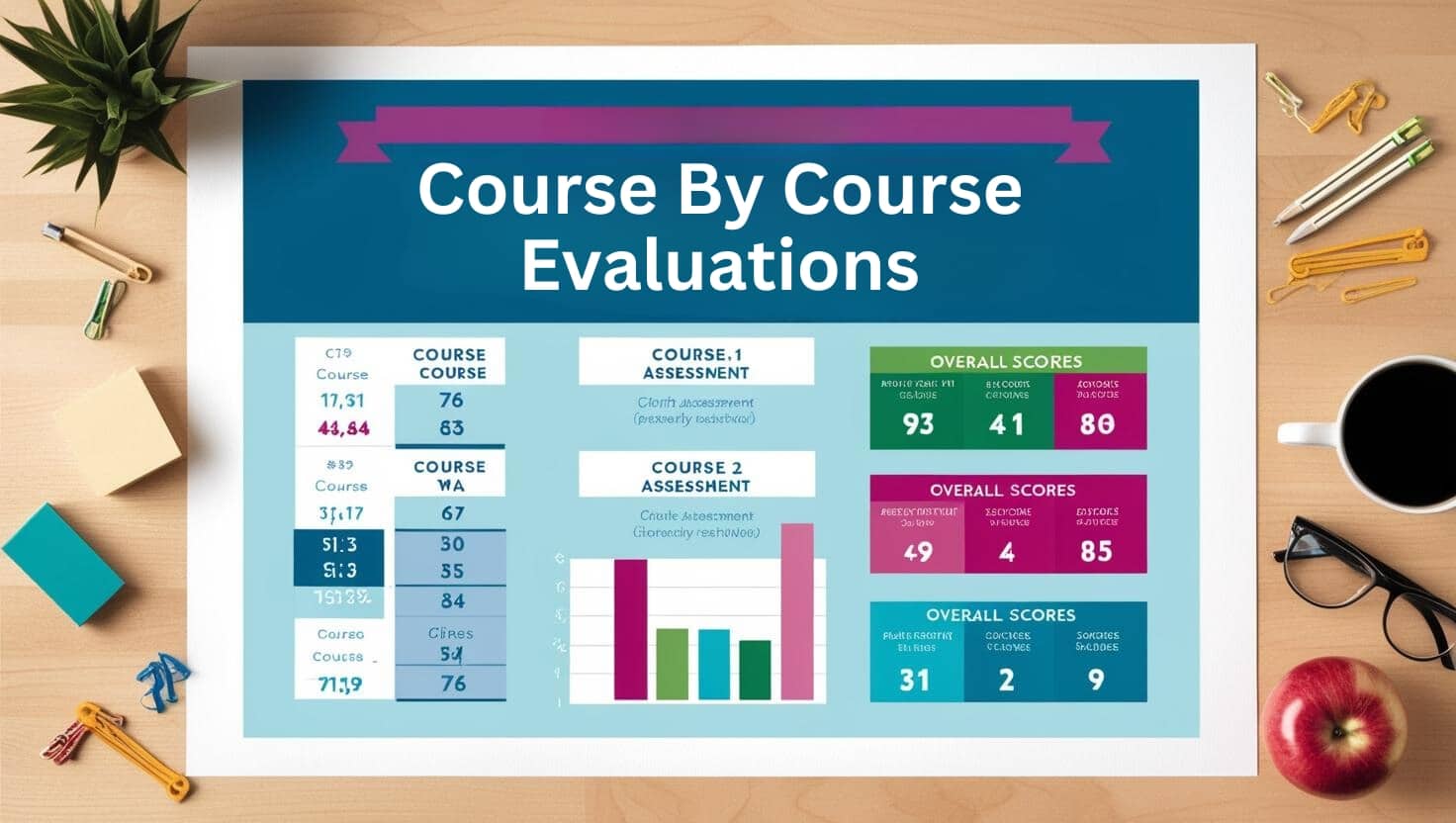
A course-by-course evaluation provides a thorough analysis of your academic records by breaking them down into individual courses. This type of examination exceeds just equating grades; it likewise evaluates the content of each course to determine its equivalency to institutions in another nation. This process is particularly significant for worldwide students who wish to continue their education or seek work in a foreign environment.
When you get a course-by-course examination, you get insights into how your previous coursework lines up with the instructional standards of your target institution or company. This in-depth breakdown can offer clearness on how many credits you might transfer, whether additional coursework is essential, and what skills you possess in relation to particular task requirements.
Why Are Course-by-Course Evaluations Important?
Accurate Representation: An in-depth assessment guarantees that your academic history is accurately represented in the context of another academic system. Credit Transfer: If you're preparing to transfer schools or programs, understanding which credits are transferable can save time and resources. Employment Opportunities: Many companies require a thorough academic credential assessment as part of their hiring process. Further Education: For those pursuing advanced degrees or accreditations, knowing how your previous studies line up with brand-new requirements can be invaluable. Immigration Requirements: Some nations need credential evaluations for visa purposes; having a course-by-course breakdown might streamline this process.Understanding Academic Credential Evaluation
What Is Academic Credential Evaluation?
An academic credential examination is an assessment process carried out by specialized organizations that identifies the equivalence of foreign instructional credentials to those within the United States or other countries. This kind of assessment thinks about different aspects:
- The institution's recognition status The curriculum standards Course content Grades received
These assessments are necessary for anybody seeking to further their research studies or gain employment in a different educational landscape.
Types of Academic Credential Evaluations
There are mainly three types of evaluations:
Document-by-Document Evaluation- Provides basic information about the degree acquired but does not analyze private courses.
- Offers a substantial breakdown by analyzing each course taken and designating credit equivalents based on U.S.-based standards.
- Assesses expert experience as if it were equivalent to official education credentials.
The Function of International Credential Evaluation Services
What Are International Credential Evaluation Services?
International credential evaluation services focus on assessing foreign academic qualifications. They assist trainees and specialists browse different academic systems by offering recognized evaluations that can be used for additional study or work opportunities.
These services are essential for anyone whose academic background varies from the standards anticipated in their target country.
How Do These Providers Operate?
Application Submission: Candidates send their records along with any required documentation. Verification Process: The service confirms the authenticity of documents with issuing institutions. Evaluation Report Issuance: Following verification, an in-depth report is created detailing course equivalencies and total assessment results.Key Parts of Course-by-Course Evaluations
Transcripts Analysis
The initial step in any course-by-course evaluation involves examining your transcripts carefully:
- Each course is evaluated for material similarity. Grades obtained are compared versus grading scales used by U.S.-based institutions.
Credit Equivalency Assessment
Once records have been examined, critics identify the number of credits each course equates into within the target organization's structure:
|Course Title|Initial Credits|Comparable U.S. Credits|| --------------------|------------------|------------------------|| Advanced Calculus|4|3|| Biology I|3|4|| Literature Research studies|2|3|
This table illustrates how various courses may be assessed in a different way depending on their relevance and content alignment.
Subject Matter Review
Evaluators also look at topic relevancy, guaranteeing that the courses carried out line up with what is typically needed in comparable programs across institutions:
Core subjects (e.g., mathematics, science) Elective topics (e.g., arts, liberal arts)
By doing so, they provide insight not only into what you have actually found out however also how it applies moving forward.

Benefits of Course-by-Course Examinations for Students
Maximizing Transferable Credits
One considerable advantage is maximizing transferable credits when applying to other universities:
Save time by not retaking courses that have actually already been finished effectively elsewhere. Reduce extra tuition expenses related to unneeded classes.Strengthening Job Applications
A well-rounded assessment reinforces task applications by supplying possible employers with clear proof of credentials matched against task requirements:
- Should you look for jobs requiring particular qualifications, having these documented can reinforce your standing during recruitment processes.
Work Experience Assessment vs Course-by-Course Evaluation
Understanding the difference in between work experience examinations versus course-based evaluations can clarify their respective roles:
Work Experience Evaluation
This type assesses professional experiences that may equate to formal education credentials:
- Ideal for applicants lacking standard degrees however having considerable relevant work experience.
Course-by-Course Evaluation
In contrast, this focuses solely on academic accomplishments and provides a granular view that's beneficial mostly for those aiming to pursue further studies.
Expert Viewpoint Letter: A Supplemental Tool
Sometimes included as part of an overall examination bundle is a skilled opinion letter which includes weight to your application:
- It provides personalized commentary from recognized specialists within particular fields concerning skill proficiencies stemmed from both formal education and practical experience.
Such letters lend reliability and authority when sent alongside standard evaluations.
FAQs about Course-by-Course Evaluations
1. What files do I need for a course-by-course evaluation?
You typically require main records from all post-secondary institutions went to along with any curriculum or descriptions readily available for courses undertaken.
2. The length of time does it take to get my examination report?
Most companies take anywhere from one week up to several months depending on work; nevertheless, expedited services might be readily available at an additional cost.
3. Can I utilize my examination internationally?
Yes! The majority of countries acknowledge these examinations; however, it's always best practice to verify this beforehand with regional authorities or organizations before using abroad.
4. What's the difference in between a document review and a course review?
A document evaluation provides only basic information verifying degree attainment; alternatively, a course evaluation examines each class taken separately against appropriate U.S.-based criteria.
5. Do all universities need credential evaluations?
Not all universities mandate them; however, many do expect them as part of application processes-- specifically those catering mainly to international students looking for admission.
6. Can I appeal if I'm dissatisfied with my assessment result?
Yes! The majority of agencies have treatments in location allowing you options need to you disagree with conclusions drawn throughout evaluations-- call them straight relating to next steps!
Conclusion
Navigating through scholastic credential evaluations might appear overwhelming initially; however, understanding elements like course-by-course analysis helps demystify complexities connected carefully around your instructional journey abroad! With benefits varying from maximizing transferable credits right through strengthening task applications-- these assessments play critical roles across different sectors including academia itself!
Whether you're preparing for higher education pursuits or checking out brand-new profession paths worldwide-- the significance can not be overstated! Investing time now will undoubtedly pay dividends later on down life's winding roads-- it's worth every minute spent making good sense outta those transcripts!